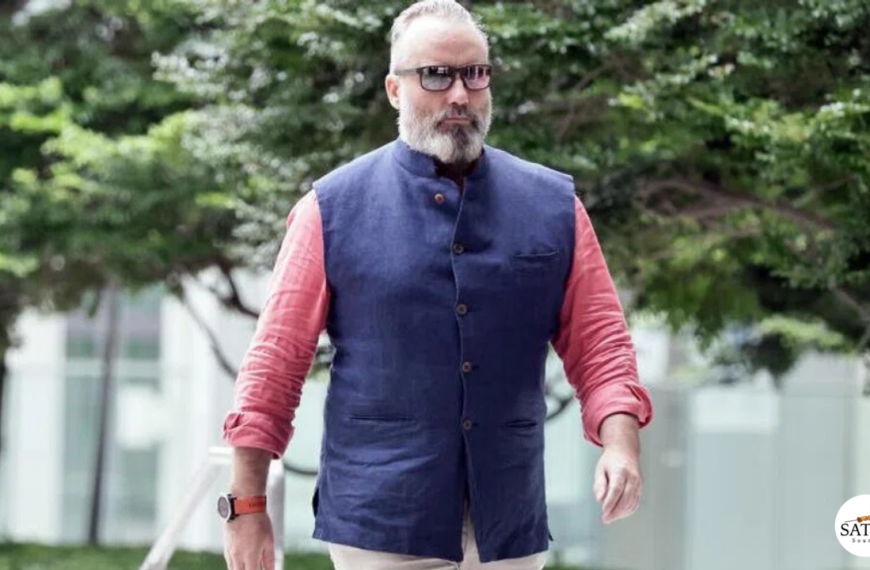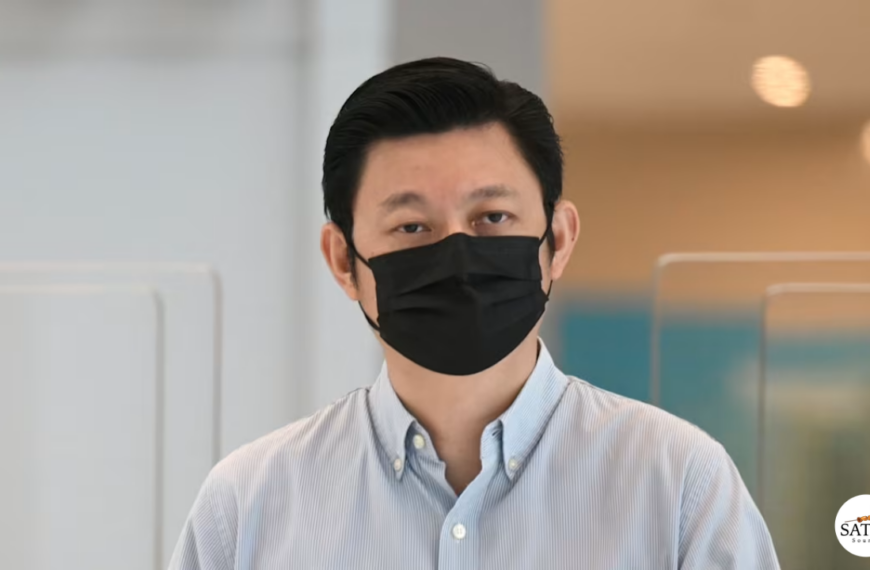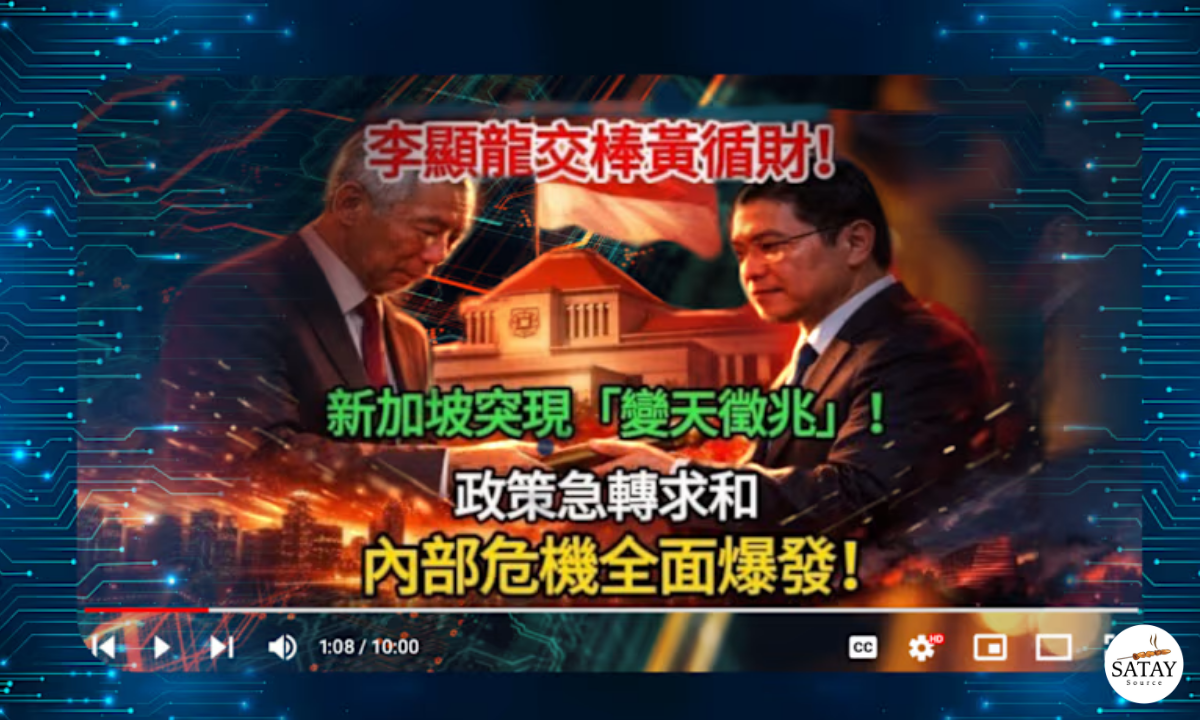


Now you know why once Elon Musk said, “AI is more dangerous than a nuclear bomb..”
Singapore’s parliament has recently passed a groundbreaking law that aims to combat the spread of deepfakes and digitally manipulated content of election candidates throughout the campaign period. The Elections (Integrity of Online Advertising) (Amendment) Bill, drafted by the Ministry of Digital Development and Information, prohibits the dissemination of digitally generated or manipulated content that portrays a candidate engaging in activities or uttering statements they did not actually do or say.
According to the bill, the publishing of such deceptive content will be deemed a criminal offense, along with its sharing or reposting. Josephine Teo, the Minister for Digital Development and Information, emphasized the importance of this new law by stating, “It does not matter if the content is favorable or unfavorable to any candidate.” She underscored that any form of digitally manipulated content during an election period, as well as its boosting, sharing, and reposting, will be punishable by law.
Josephine Teo, Minister for Digital Development and Information, expressed during her speech on Tuesday, “If the deepfake video you just watched did not convince you of its impersonation of me, more advanced versions soon will.”
The passing of this law is particularly significant amidst the rising incidences of deepfakes impacting elections worldwide. For instance, instances of deepfakes were reported during the Slovakian parliamentary elections where manipulated audio of a politician discussing electoral rigging went viral, subsequently affecting the candidate’s election prospects.
Josephine Teo pointed out, “AI-generated misinformation can seriously threaten democratic foundations, adding that it demands an equally serious response.”
Members of Parliament largely supported the bill, expressing concerns primarily about potential political overreach and enforcement of the law. MPs such as He Ting Ru and Vikram Nair questioned the regulation of deepfake content shared through private messaging avenues like WhatsApp and Telegram. MP Yip Hon Weng also raised concerns about the broad and potentially confusing definitions within the bill and the possibility of inconsistent enforcement.
He Ting Ru (WP-Sengkang) highlighted, “If a person forwards a video to several hundred people on his contact list that may be more damaging than the same video on a Facebook account precisely because the message comes from a trusted source in a private message channel.”
In response to these concerns, Minister Josephine Teo clarified that the law is not intended to regulate private or domestic communications, and enforcement actions would be decided based on certain criteria set by the returning officer. She also mentioned that significant weight will be placed on the candidate’s declaration to address any misleading content.
This legislation marks a crucial step in enhancing the integrity of electoral processes in Singapore, upholding the truthfulness of candidate representation during campaigns. It highlights the government’s commitment to combatting the influence of digital deception, ensuring fair and transparent elections in the country.