
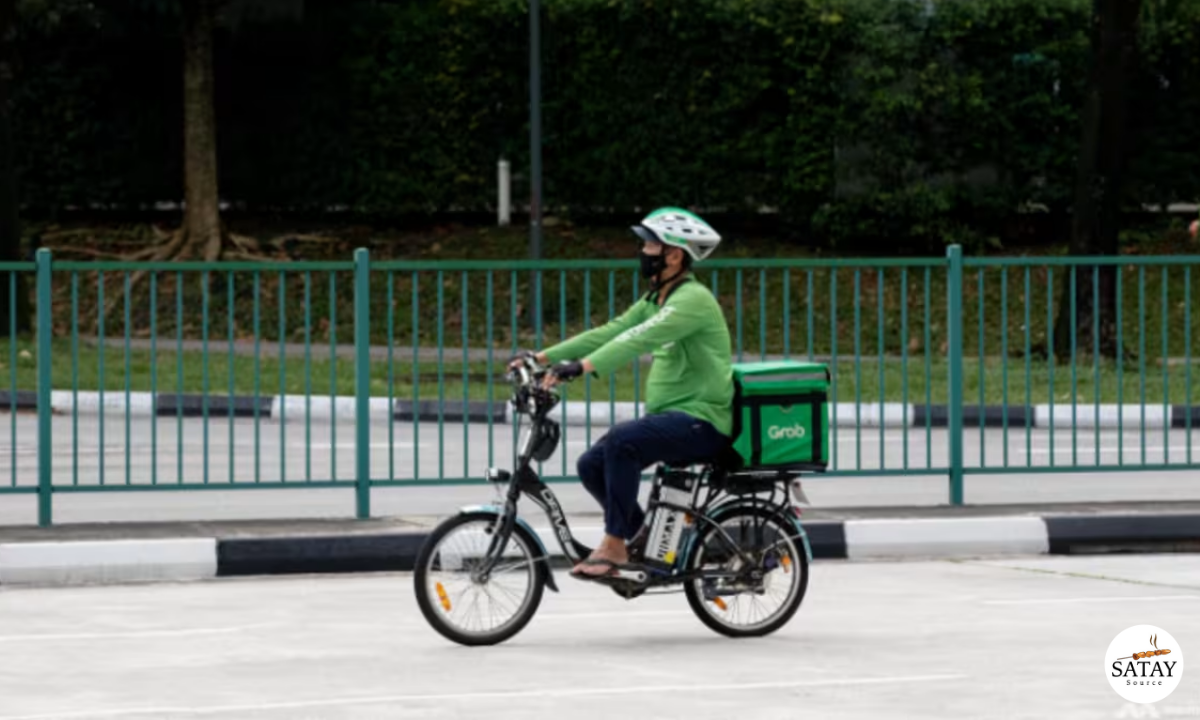
The National Trades Union Congress (NTUC) is currently looking into complaints from platform workers in Singapore. These workers are upset because they believe foreigners are illegally taking on delivery jobs, which directly affects how much money they can earn. This concern was brought up by labour chief Ng Chee Meng on July 4th.
To get to the bottom of this issue, NTUC is asking for a special group to be formed. This group would include people from the Ministry of Manpower, the Ministry of Transport, Grab Singapore, NTUC itself, and other groups connected to NTUC.
Mr. Ng shared his thoughts on the matter, saying, “Our platform workers are vulnerable, as they face a variety of challenges in making a living. It is not right that they suffer from reduced earnings due to competition from illegal workers.” He also put out a message on Facebook after meeting with platform workers, explaining that he asked for a “senior-level work group to be set up to tackle the issues.” He added that NTUC and its three related associations will team up with Grab (and other platforms), the Ministry of Manpower, and the Ministry of Transport to find good solutions for platform workers that benefit everyone.
NTUC mentioned that they heard about these illegal activities through their regular talks with platform workers. For those unfamiliar, platform workers are people who work with companies like Grab, Gojek, foodpanda, and Deliveroo to provide services, mostly ride-hailing or delivery. This includes private-hire drivers and delivery riders.
“Some of these foreigners illegally take on delivery jobs directly on platforms by misusing accounts,” NTUC stated. They clarified that this is not allowed because only Singaporean citizens are permitted to do this kind of platform work.
On top of this, while platform companies are allowed to get other companies to handle delivery jobs, and these companies can hire foreigners with proper work permits, there have been reports of foreigners working without the necessary permits through this arrangement. NTUC highlighted that “This creates illegal or unfair competition for our delivery workers, and it has a direct impact on their earnings.”
This new problem adds to other difficulties platform workers already face, such as not having a stable income. Their earnings can be unpredictable because the types of jobs they get and how much they earn are often decided by computer programs. Also, platform companies sometimes offer incentives that encourage workers to put in longer hours, which can lead to safety concerns, according to NTUC. In the past year, unauthorized ride-hailing services have also popped up on messaging apps like Telegram, taking away business from legal ride-hailing and delivery services and hurting the incomes of private-hire drivers and delivery riders.
Mr. Ng pointed out in his Facebook post that NTUC and its associations—the National Delivery Champions Association, the National Private Hire Vehicles Association, and the National Taxi Association—have already made progress in supporting platform workers’ rights. This includes the Platform Workers Act, which started this year. This Act requires platform operators to provide injury insurance for workers and contribute more to their Central Provident Fund (CPF), among other things. Despite these efforts, Mr. Ng believes that “more must be done, and quickly.” He emphasized that these challenges make it tough for platform workers to earn a steady income to support themselves and their families.